How to Naturally Increase Testosterone in Men
Quick Answer: How Do You Naturally Increase Testosterone in Men?
To naturally increase testosterone, work the levers with the strongest evidence first: lift heavy compound weights and add short HIIT, sleep seven to nine hours a night, lose excess body fat, keep alcohol modest, and eat enough protein, dietary fat, zinc and magnesium. Those habits fix the most common reasons testosterone drifts low. A clinically dosed supplement is a complement to that base, never a replacement for it.
- Train and sleep first: resistance work plus seven to nine hours of sleep move the needle more than any pill.
- Body fat and alcohol matter: excess fat and heavy drinking both suppress testosterone measurably.
- Supplements are additive: zinc, magnesium and standardised botanicals support levels, they do not manufacture them.
Every man over thirty-five has felt it: the flatter afternoons, the slower recovery after a workout, the drive that used to be automatic and now needs a push. The instinct is to reach for a bottle, but the honest starting point is different. If you want to naturally increase testosterone, the highest-return moves are behavioural, and most men have not fully used them yet. This guide ranks the natural ways to increase testosterone by how much evidence actually stands behind each one, then shows exactly where a supplement belongs in the plan.
Why testosterone drifts down in the first place
Average testosterone declines gradually with age, roughly one percent per year after the late thirties for many men. That slow, biological slide is real, but it is usually not the main story behind how a given man feels. The bigger drivers are modifiable: accumulated body fat, chronic short sleep, a sedentary routine, rising alcohol intake, unmanaged stress and, occasionally, a medication side effect. Each of these pushes testosterone in the wrong direction, and they tend to arrive together.
That is genuinely good news, because it means the number is more responsive to your habits than most men assume. Before you spend a dollar on any product, the question worth asking is which of these levers you have actually pulled. Most men who feel flat are not victims of ageing so much as victims of five hours of sleep, a desk job and a few too many drinks a week. If that describes you, the fixes below will do more than any capsule.
The natural ways to increase testosterone that actually have evidence
There is a lot of noise in this category, so it helps to separate the interventions with human data from the folklore. In rough order of impact for the average man: resistance training and high-intensity intervals, adequate sleep, losing excess body fat, sensible nutrition including specific micronutrients, and moderating alcohol. Everything else, including any supplement, sits on top of that base. Let us take them in order.
Lift heavy, and add short intervals
Exercise is the most reliable lifestyle lever, but the type matters enormously. Compound resistance training, the big multi-joint lifts, produces the largest acute testosterone response and, over months, builds the muscle mass that supports healthy hormone levels. Squats, deadlifts, presses, rows, pull-ups and loaded carries recruit far more muscle per set than isolation work, and that recruitment is what drives the hormonal signal. Two or three focused sessions a week, taken close to genuine effort, beat six half-hearted ones.
Short high-intensity interval training (HIIT) adds a second stimulus. Brief, hard efforts, think ten to twenty seconds near-maximal followed by recovery, have been shown to support testosterone more favourably than long, steady-state cardio. That is not an argument against all cardio; your heart and waistline still benefit from zone-two work. But if the specific goal is testosterone, chronic high-volume endurance training with too little recovery can actually blunt it. Marathon-style training loads and low body fat, combined with under-eating, are a well-documented way to drive levels down. Intensity plus recovery, not endless volume, is the pattern that works.
The practical version: three lifting sessions built around compound movements, one or two short interval sessions, and enough rest days that you show up strong rather than depleted. Progression matters more than novelty. Adding weight to the bar over months is the signal your body reads as "we need this machinery", and that is exactly the adaptation you want.
Sleep is not optional: aim for seven to nine hours
If training is the accelerator, sleep is the fuel line, and this is the lever most men quietly ignore. The majority of your daily testosterone is released during sleep, particularly during the deeper and REM stages, which means that cutting sleep short cuts production at the source. The evidence here is unusually clean: in healthy young men, restricting sleep to around five hours a night for a single week lowered daytime testosterone by roughly ten to fifteen percent, the kind of drop that would otherwise take a decade of ageing.
Seven to nine hours is the target, and consistency matters as much as duration. A regular schedule, a cool dark room, no alcohol close to bedtime and limited late screens all improve the quality of what you get. If you snore heavily, wake unrefreshed after a full night, or your partner notices you stop breathing, raise obstructive sleep apnoea with a doctor. Untreated apnoea suppresses testosterone and produces the exact fatigue and low-drive picture men so often blame on hormones alone. No supplement compensates for this, which is why sleep sits so high on the list.
You cannot supplement your way out of five hours of sleep. Fix the sleep, and half the men who thought they had a testosterone problem discover they had a recovery problem.
Lose the fat you can pinch
Body fat and testosterone are locked in a two-way relationship. Excess fat, particularly around the abdomen, contains an enzyme called aromatase that converts testosterone into oestrogen, and higher body fat is consistently associated with lower testosterone. The loop is self-reinforcing: lower testosterone makes it harder to build muscle and easier to store fat, which lowers testosterone further. Breaking that loop with a modest, sustainable fat loss is one of the most effective natural interventions available to an overweight man.
You do not need to get lean to benefit. Even a five to ten percent reduction in body weight, when a man is carrying excess, tends to move testosterone in the right direction and improves energy, blood pressure and blood sugar at the same time. The method that works is the boring one: a modest calorie deficit built mostly from reduced refined carbohydrate and alcohol, adequate protein to protect muscle, and the resistance training above so that the weight you lose is fat rather than muscle. Crash dieting does the opposite, because severe under-eating itself suppresses testosterone. Slow and steady genuinely wins here.
Where a daily formula fits into the plan
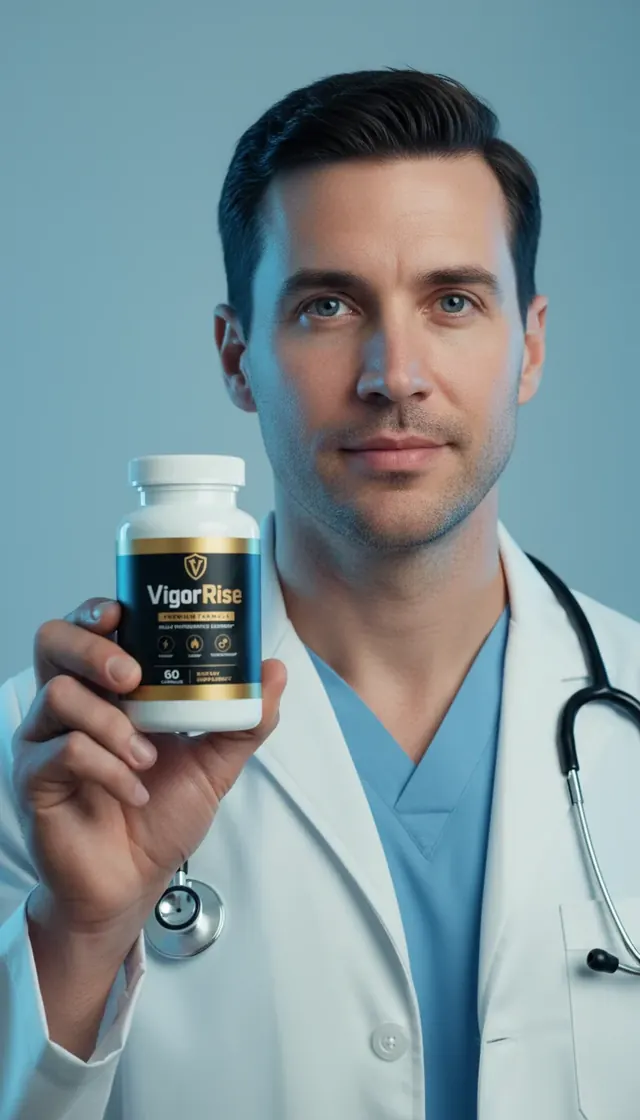
Once the training, sleep and nutrition are in place, VigorRise is a once-daily botanical and mineral capsule with every amount printed on the panel, built to support energy, drive and healthy testosterone markers as a complement to your habits.
Check Availability & Current OfferFood, zinc and magnesium: the nutrition that matters
Nutrition affects testosterone in two ways: through overall energy balance, covered above, and through a handful of specific nutrients that the hormone pathway depends on. The headline is not exotic. Eat enough total food to support training, get adequate protein, and do not fear dietary fat.
Dietary fat is the one many men accidentally cut too far. Testosterone is synthesised from cholesterol, and very low-fat diets have been associated with lower testosterone in some studies. Include monounsaturated and saturated fats from whole sources, olive oil, eggs, dairy, red meat in reason, nuts, rather than driving fat intake to near zero in pursuit of a physique goal.
Zinc is directly involved in testosterone production, and deficiency clearly lowers levels. Men who train hard lose zinc through sweat, and correcting a genuine deficiency reliably restores testosterone. Oysters, red meat, shellfish and pumpkin seeds are strong sources. Magnesium plays a supporting role and is widely under-consumed; it also improves sleep quality, which loops back to the point above. Vitamin D behaves like a hormone in the body and correlates with testosterone, so getting sunlight or correcting a documented deficiency is reasonable. The nuance worth stating plainly: these nutrients help most when you are short of them. Loading up far beyond your needs does not push a well-nourished man's testosterone higher. If you want the ingredient-by-ingredient view, our breakdown of natural testosterone booster ingredients that actually work separates the evidence-backed actives from the filler.
The alcohol conversation nobody wants to have
Alcohol is the lever men most resist, and the data is inconvenient. Heavy drinking suppresses testosterone through several mechanisms, and even short-run regular drinking matters more than most expect: studies have shown that as little as five days of consistent alcohol intake can measurably lower testosterone in healthy men. Chronic heavy use compounds the effect and disrupts sleep on top of it, hitting the hormone from two directions at once.
This is not a lecture to quit. It is a note that if you are serious about the goal, alcohol is a bigger factor than most of the supplements marketed for it. Keeping intake modest, and in particular avoiding drinking close to bedtime so it does not wreck your sleep architecture, is one of the higher-leverage changes available. Many men who tighten up their drinking for a month report exactly the energy and drive improvements they had been hoping a pill would deliver.
Where a supplement like VigorRise honestly fits
Having spent this article arguing for habits, here is the straight position on where a product belongs. A testosterone-support supplement is a complement to the fundamentals, not a replacement for them, and it works best in a man who has already sorted his training, sleep and drinking, or is doing so in parallel. What it can reasonably offer is daily support for energy, drive and healthy testosterone markers through nutrients and standardised botanicals, taken consistently over eight to twelve weeks.
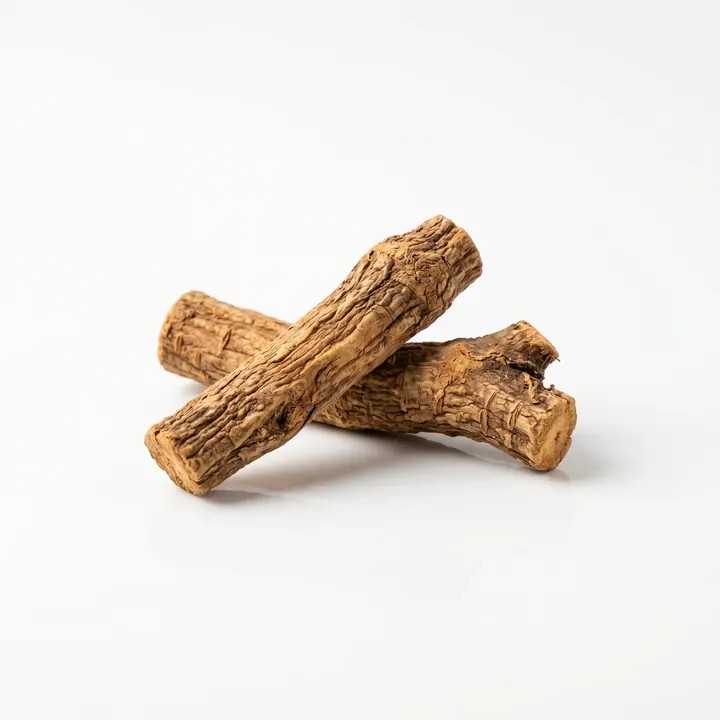
VigorRise is built on that logic. It combines standardised Tongkat Ali, horny goat weed, saw palmetto, nettle leaf, sarsaparilla and boron in a once-daily capsule, with every amount disclosed on the label so you can see exactly what you are taking. Boron in particular has small human trials pointing at free testosterone and sex-hormone-binding globulin, and the transparent dosing means you can log it alongside the habit changes and judge the whole package honestly. What it does not do is more important than what it does: it cannot diagnose, treat, cure or prevent any condition, it cannot treat clinically low testosterone, which needs proper testing and a doctor, and it cannot compensate for the fundamentals. If your levels are genuinely low, get them tested properly, and use our guide to the annual men's health numbers worth tracking to have a better conversation with your doctor.
A simple 90-day plan to put it together
The mistake most men make is changing everything for a week and nothing for a quarter. Reverse that. Pick the habits, run them for ninety days, and measure at the end.
- Weeks 1–2: fix sleep first. Set a fixed wake time, aim for seven to nine hours, and pull alcohol away from bedtime.
- Weeks 1–12: lift three times a week around compound movements, progressing the load, plus one or two short interval sessions.
- Ongoing: eat enough protein and dietary fat, prioritise zinc and magnesium-rich foods, and hold a modest deficit if you are carrying excess fat.
- Alcohol: keep it modest and out of the pre-sleep window.
- Supplement: if you add one, start it on day one, take it daily, and give it the full trial. Results build with consistency, so read how long testosterone boosters take to work before you judge it early.
- Measure: track energy, training performance and, ideally, a morning blood test at the start and at twelve weeks.
Do that and you will know, from your own data, what actually moved your number, rather than guessing from a label. That is the difference between naturally increasing testosterone and merely hoping to.
Medical note: this article is general information, not medical advice. Speak to a healthcare professional before starting any supplement or exercise programme, especially if you take medication or manage a health condition — some botanicals can interact with certain drugs.
Frequently asked questions
How can I increase testosterone naturally without drugs?
The biggest levers are behavioural, not pharmaceutical. Lift heavy weights two or three times a week, sleep seven to nine hours, lose excess body fat if you are carrying it, keep alcohol modest, and eat enough protein, healthy fat, zinc and magnesium. These habits address the most common reasons testosterone drifts low in the first place. A clinically dosed supplement can sit on top of that foundation, but it works best as a complement to the fundamentals rather than a substitute for them.
What exercises boost testosterone the most?
Compound resistance training and short high-intensity intervals produce the largest acute hormonal response, and both build the muscle that supports healthy testosterone over time. Squats, deadlifts, presses, rows and heavy carries recruit the most muscle per set, while brief HIIT sprints outperform long steady cardio for this specific goal. Excessive endurance training with too little recovery can actually push testosterone the other way, so intensity and rest matter more than sheer volume.
Does sleep affect testosterone levels?
Yes, and the effect is large. Most testosterone is released during sleep, so short or broken sleep blunts production directly. In healthy young men, restricting sleep to around five hours a night for one week lowered daytime testosterone by roughly ten to fifteen percent. Aiming for seven to nine hours of consistent, good-quality sleep is one of the cheapest and most reliable ways to protect your levels.
Do supplements help increase testosterone naturally?
Some ingredients have modest human evidence for supporting testosterone markers, particularly when a man is deficient in a nutrient like zinc, magnesium or vitamin D, or when using standardised botanicals such as Tongkat Ali. The effect is supportive rather than dramatic, and a supplement cannot outrun poor sleep, heavy drinking or a sedentary routine. Used consistently alongside training, sleep and sensible eating, a transparently dosed formula like VigorRise is a reasonable addition rather than a shortcut.
Related reading
Scientific references
- Leproult R. & Van Cauter E. — Effect of 1 week of sleep restriction on testosterone levels in young healthy men, JAMA 2011 (PubMed)
- Harvard Health — Testosterone: what it does and doesn't do
- NIH NIDDK — Weight management and metabolic health
- NIH Office of Dietary Supplements — Zinc fact sheet
- NIH NIAAA — Alcohol's effects on health
Support your habits with a transparently dosed formula
Tongkat Ali, horny goat weed, saw palmetto, nettle leaf, sarsaparilla and boron in a single daily capsule — every amount disclosed, so it is easy to run alongside the training, sleep and nutrition that do the heavy lifting.