Natural Testosterone Booster Ingredients That Work
Quick Answer: Which Natural Testosterone Booster Ingredients Actually Work?
A natural testosterone booster is only as good as its ingredients and their doses. The ones with real human evidence are KSM-66 ashwagandha for stress and cortisol, Tongkat Ali and boron for free-testosterone markers, and zinc, magnesium and vitamin D where you are genuinely deficient. They support your own production rather than adding a hormone, and they work over weeks.
- Best-supported: KSM-66 ashwagandha (~600 mg), Tongkat Ali and boron for hormone markers.
- Fix deficiencies first: zinc, magnesium and vitamin D matter most when you are low.
- Dose decides: a studied ingredient at a token amount is label decoration, not support.
What a natural testosterone booster can and cannot do
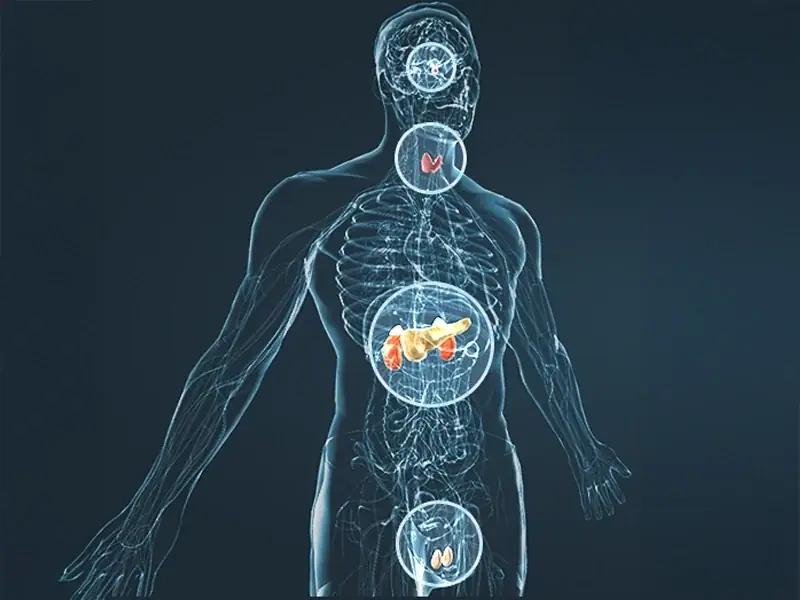
Before naming a single ingredient, it is worth being precise about the phrase itself, because the marketing around it is a mess. A natural testosterone booster does not deliver testosterone. It is a blend of botanicals and micronutrients studied for supporting the body's own hormone production and the free-testosterone markers that sit behind energy, drive and recovery. That distinction is the whole game. Support your physiology and you may nudge things in the right direction over weeks; replace a hormone and you are describing prescription therapy, which is a different product with a doctor attached.
Two honest boundaries follow. First, these ingredients show their clearest effects in men who start tired, stressed, older or at the low end of normal — men with headroom to move. A young, lean, well-rested man will feel far less because he has less to correct. Second, no natural ingredient treats a medical condition. Clinically low testosterone and erectile dysfunction are diagnoses for a clinician, and sometimes early signals of something worth catching. With those boundaries set, the useful question becomes narrow and answerable: which natural testosterone booster ingredients actually have human evidence, and at what dose?
The ingredients with the best human evidence
Not all actives on a men's label are created equal. A handful have genuine randomised human trials; the rest ride on tradition, test-tube data or wishful marketing. Here are the ones that earn their place.
KSM-66 ashwagandha — the stress lever
Ashwagandha is the standout, and the reason is mechanistic rather than mystical. Chronic stress and elevated cortisol suppress testosterone; lower the stress load and you remove a brake. The standardised root extract known as KSM-66, studied at roughly 600 mg a day, has several randomised controlled trials reporting modest testosterone increases alongside measurable drops in stress and cortisol, particularly in stressed or fatigued men. The effect is real but moderate, and it builds over weeks. If a formula lists ashwagandha, the questions that matter are whether it is a standardised extract and whether the amount is close to the studied 600 mg rather than a sprinkle.
Tongkat Ali — the free-testosterone anchor
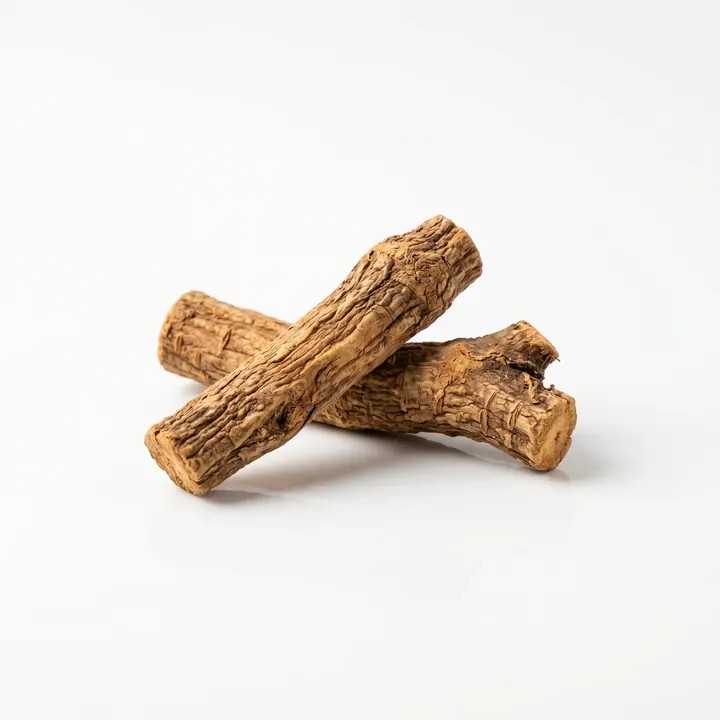
Tongkat Ali (Eurycoma longifolia), usually a root extract standardised to eurycomanone, carries some of the better trial evidence in the category. In small randomised studies running four to twelve weeks, it has been associated with improvements in fatigue, stress-related mood and markers of free testosterone, most clearly in older, stressed or low-normal men. It is the anchor ingredient in many serious formulas for exactly this reason. We go deep on this and its mineral partner in our evidence review of what the Tongkat Ali and boron research actually shows.
Boron — a trace mineral that punches above its weight
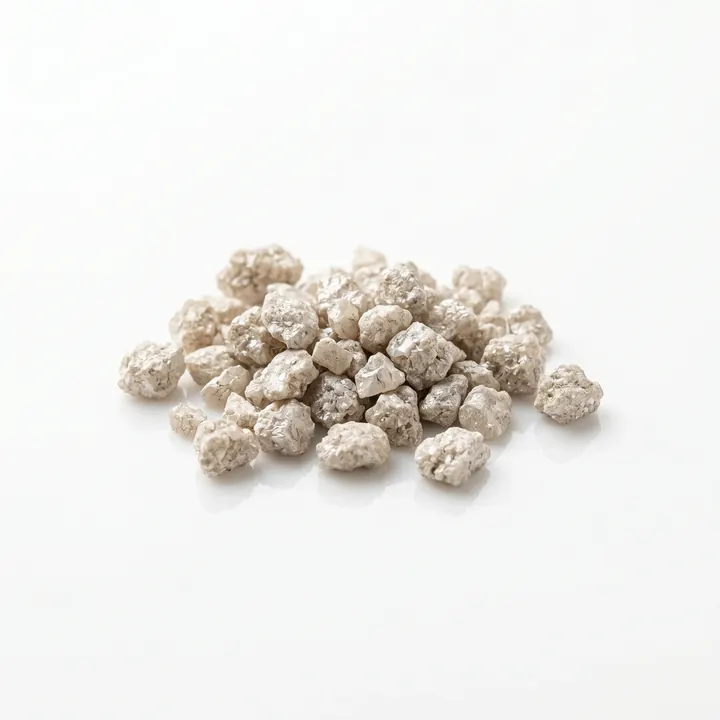
Boron is easy to overlook because the doses are tiny, but the human data is interesting. Short-term studies at roughly six to ten milligrams a day have reported shifts in free testosterone and in sex-hormone-binding globulin, the protein that keeps testosterone bound and unavailable. It is a supporting actor rather than a headline, but a well-designed formula includes it at a meaningful amount rather than a decorative trace.
Vitamin D3 — the deficiency correction
Vitamin D behaves less like a booster and more like a repair when you are short of it, which many men are. One frequently cited year-long study linked around 3,300 IU of vitamin D3 per day with roughly a 20 percent increase in testosterone in deficient men. The crucial caveat: that benefit is about correcting a shortfall, not adding a bonus on top of a healthy level. Check your status, fix a genuine deficiency with a standard daily amount, and resist the "more is better" instinct.
Zinc and magnesium — the same deficiency logic
Zinc is directly involved in testosterone production, and a real deficiency depresses levels; correcting it restores them. Magnesium plays a supporting role, with some evidence around free testosterone, especially in active or deficient men. The pattern with all three micronutrients — vitamin D, zinc, magnesium — is identical and worth internalising: they matter a great deal if you are low and very little if you are not. That is why an honest formula uses standard daily amounts rather than heroic megadoses.
See these ingredients on one honest label
VigorRise brings the studied botanicals and minerals into a once-daily capsule with the amounts printed on the panel. Check the current official offer.
Check Availability & Current OfferD-aspartic acid and fenugreek — the mixed middle
Two popular ingredients deserve a more cautious note. D-aspartic acid, an amino acid involved in hormone signalling, produced encouraging early results that larger and better-controlled trials have struggled to reproduce, especially in trained men. Fenugreek is often included for libido and has some supportive data there, with a lighter and less consistent effect on testosterone itself. Neither is snake oil, but neither carries the weight of ashwagandha or Tongkat Ali, and honest sites should say so rather than list them as marquee proof.
The evidence map in one table
The table below sorts the common natural testosterone booster ingredients by the amount used in research where it exists, the mechanism, and an honest grade for the strength of the human evidence. Evidence strength here means human clinical data, not how loudly an ingredient is advertised.
| Ingredient | Studied amount | How it helps | Human evidence |
|---|---|---|---|
| KSM-66 ashwagandha | ~600 mg/day | Lowers stress and cortisol | Good — several randomised trials |
| Tongkat Ali | 200–400 mg/day, 4–12 weeks | Free-testosterone markers, fatigue | Moderate — small randomised trials |
| Boron | 6–10 mg/day | Free testosterone, lowers SHBG | Moderate for hormone markers |
| Vitamin D3 | ~3,300 IU/day (if deficient) | Corrects a deficiency that lowers T | Good for deficiency correction |
| Zinc | Standard daily amount | Direct role in T production | Good for correcting deficiency |
| Magnesium | Standard daily amount | Supports free testosterone | Moderate, mostly if low |
| D-aspartic acid | ~3 g/day | Hormone signalling | Mixed — larger trials weaker |
| Fenugreek | Extract, several weeks | Libido, modest T support | Weak to moderate, mixed |
Why dose and standardisation decide everything
Here is the uncomfortable truth that separates a working natural testosterone booster from a decorated one: the label can carry every impressive ingredient in this article and still do nothing, if the amounts are token. This is common enough to have a name — label decoration — and it is why comparing the front of a box is useless. Three questions settle most of it.
Are the milligrams broken out per ingredient? A proprietary blend gives you one combined figure covering several actives, which makes it impossible to know whether the ashwagandha is at 600 mg or 60. If a panel will not break out the numbers, treat its claims as unverified.
Is the extract standardised, and to what? "Ashwagandha 600 mg" and "KSM-66 ashwagandha root extract 600 mg" are different claims, and the standardised compound is what the research measured. The same applies to eurycomanone in Tongkat Ali.
Does the amount resemble the studied amount? A formula can contain the right ingredient in the wrong quantity. If the research used six to ten milligrams of boron and a product carries a fraction of that, the ingredient is there for the marketing, not for you. If you want to see this filter applied across an entire product shelf, our ingredient map of over-the-counter male formulas by goal works through it example by example.
The right ingredient at the wrong dose is not a natural testosterone booster. It is a picture of one. Read the amounts, not the front of the box.
The fundamentals no capsule can replace
No honest ingredient guide is complete without the least glamorous section, because it is the most powerful. Sleep, movement, body composition and stress move testosterone far more than any capsule can. Short sleep alone can measurably lower testosterone in healthy young men within a week. Carrying excess body fat, chronic stress, heavy alcohol use and sedentary weeks all pull in the same wrong direction, and they do it more strongly than any supplement pulls the other way.
This is not a reason to skip a well-formulated product; it is the reason to layer one on top of solid habits rather than in place of them. A natural testosterone booster works with your physiology, so give it a physiology worth working with. For the full playbook on the levers that matter most, our guide on how to naturally increase testosterone in men covers sleep, training and nutrition in detail. Supplements are the last few percent, not the foundation.
Medical note: this article is general information, not medical advice. These ingredients support normal physiology and do not treat any condition. Speak to a healthcare professional before starting any supplement, especially if you take medication or manage a health condition — some botanicals interact with common drugs.
Frequently asked questions
What is the best natural testosterone booster ingredient?
There is no single best ingredient, because the ones with the strongest human evidence work in different ways. KSM-66 ashwagandha has some of the most consistent randomised data, largely through lowering stress and cortisol. Tongkat Ali and boron show effects on free testosterone markers in short trials, and correcting a genuine zinc or vitamin D deficiency can matter a great deal. The best ingredient is whichever addresses your actual gap, at a dose that resembles the studies rather than a token amount.
Does ashwagandha really raise testosterone?
Ashwagandha, particularly the standardised KSM-66 root extract studied at around 600 mg a day, has several randomised trials reporting modest improvements in testosterone alongside reductions in stress and cortisol. The effect is most visible in stressed or fatigued men rather than in those who are already well rested and lean. It is one of the better-supported ingredients in the category, though the changes are moderate and build over weeks, not a dramatic overnight jump.
How much vitamin D helps testosterone?
Vitamin D matters mainly when you are deficient, which is common in men who spend little time in sunlight. One year-long study linked roughly 3,300 IU of vitamin D3 per day with about a 20 percent increase in testosterone in deficient men, but topping up an already healthy level does not add a bonus. The sensible approach is to check your level, correct a shortfall through a supplement providing a standard daily amount, and not assume more is better.
Are natural testosterone boosters safe long term?
For most healthy men, the well-studied ingredients in this category are considered safe at label doses, and many have long histories of traditional use. That said, long-term data varies by ingredient, botanicals can interact with medications, and more is not better with trace minerals like boron and zinc. Anyone taking regular medication, managing a health condition, or planning to use a product for many months should check with a clinician and stick to studied doses rather than mega-dosing.
Scientific references
- NIH Office of Dietary Supplements — Boron fact sheet for health professionals
- NIH Office of Dietary Supplements — Vitamin D fact sheet for health professionals
- NIH Office of Dietary Supplements — Zinc fact sheet for health professionals
- Lopresti A.L. et al. — An investigation into the stress-relieving and pharmacological actions of an ashwagandha (Withania somnifera) extract, Medicine (Baltimore) 2019 (PubMed)
- Talbott S.M. et al. — Effect of Tongkat Ali on stress hormones and psychological mood state in moderately stressed subjects, J Int Soc Sports Nutr 2013 (PubMed)
- NIH NCCIH — Using dietary supplements wisely
Related reading
Ingredients that work, at doses you can read
VigorRise puts the studied botanicals and minerals into one daily capsule — Tongkat Ali, boron and more, with every amount printed on the panel. See the official offer and pick a supply that covers a full cycle.